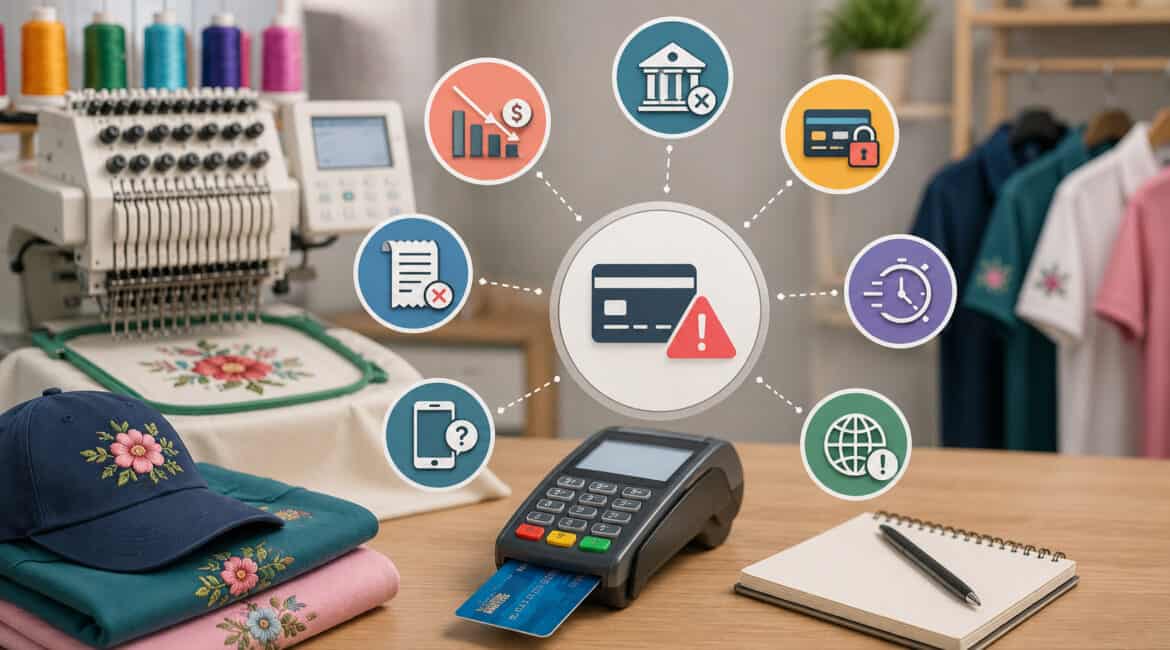
Embroidery businesses do more than sell decorated garments. They manage artwork files, thread colors, digitizing, garment sourcing, proof approvals, production queues, pickup schedules, shipping, deposits, balances, refunds, and customer expectations. That combination creates unique financial pressure, especially when every custom order carries labor, material, and time costs before the finished...
Accepting International Payments for Custom Apparel Orders: A Practical Guide for Growing Apparel Businesses
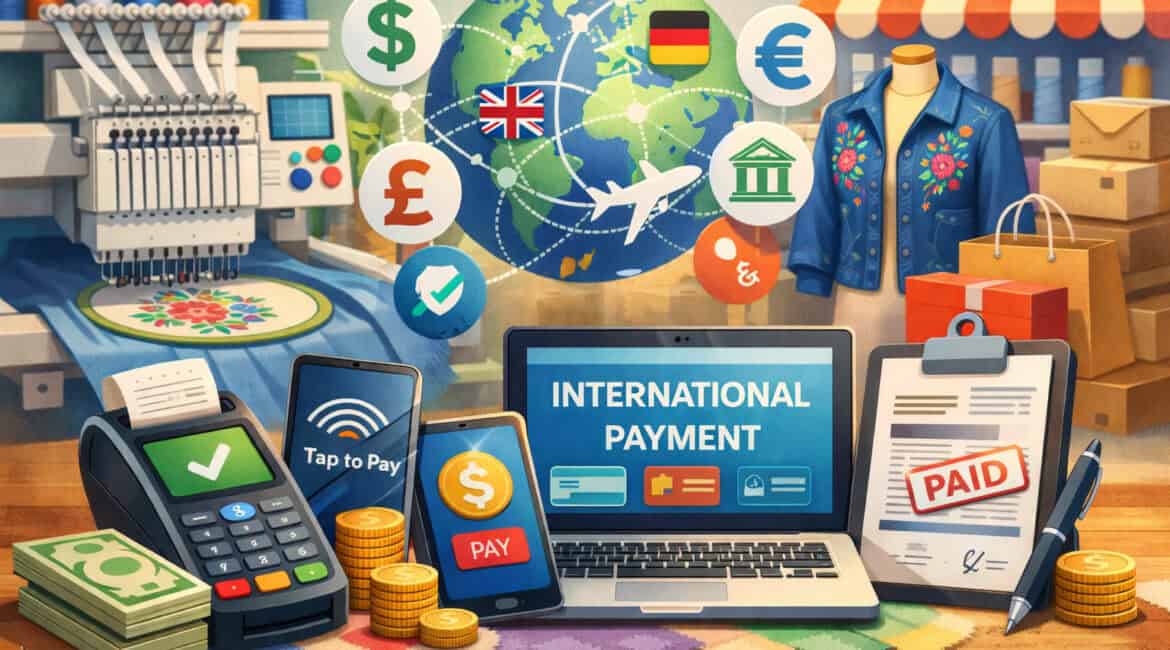
Custom apparel businesses no longer serve only local buyers. A shop that once handled school spirit wear, company polos, event T-shirts, uniforms, or branded merchandise for nearby clients can now attract buyers from far beyond its usual service area. Social commerce, online storefronts, referral traffic, and niche demand have changed...
Card-Present vs Card-Not-Present Payments for Embroidery: How to Choose the Right Payment Setup for Sales, Custom Orders, and Growth

For embroidery businesses, getting paid is not just a back-office task. It affects cash flow, customer experience, production timing, risk, and even whether an order runs smoothly from approval to pickup or shipping. That is why understanding card-present vs card-not-present payments for embroidery matters so much. Embroidery shops rarely operate...
How to Set Up Payment Processing for a New Embroidery Business

Starting an embroidery business is exciting. You get to turn creativity into a real company, serve customers with custom products, and build a brand around quality, service, and craftsmanship. But even the best designs and the cleanest stitching will not support long-term growth if getting paid is slow, confusing, or...
Omnichannel Payment Processing for Embroidery Shops: How to Simplify Sales, Orders, and Customer Payments Across Every Channel
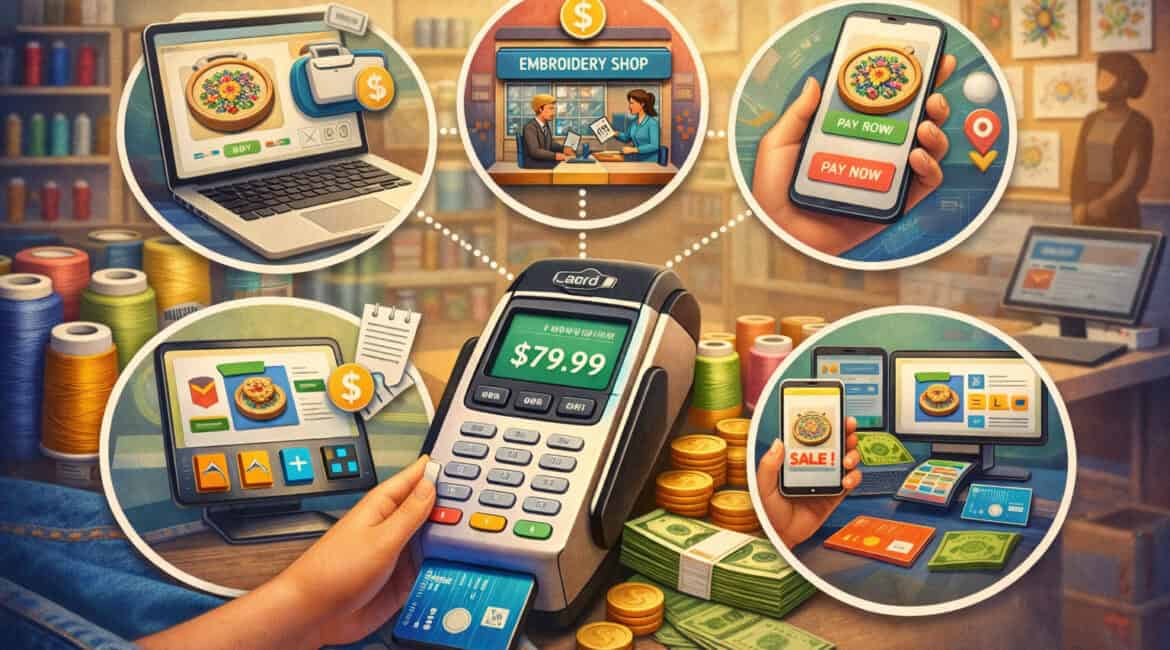
Embroidery shops rarely sell in just one place anymore. A customer might place a custom hat order in person, approve a logo mockup by email, pay a deposit through an invoice link, and return later to pay the balance at pickup. Another customer may discover your business on social media,...
Payment Processing Fees for Embroidery Shops Explained

Running an embroidery shop means paying attention to far more than thread counts, digitizing quality, and delivery deadlines. Every order also has a payment side, and that side affects your profit more than many shop owners realize. Whether you sell personalized hats at a counter, collect deposits for team uniforms,...
How to Compare Payment Processors for Embroidery Shops

Embroidery businesses have a unique mix of sales: quick counter transactions, custom orders that take deposits, phone payments for repeat customers, invoices for teams and schools, online orders for personalized merch, and occasional on-the-go events like craft fairs. That mix is exactly why comparing payment processors for embroidery shops is...
How to Reduce Payment Processing Fees for Your Embroidery Business
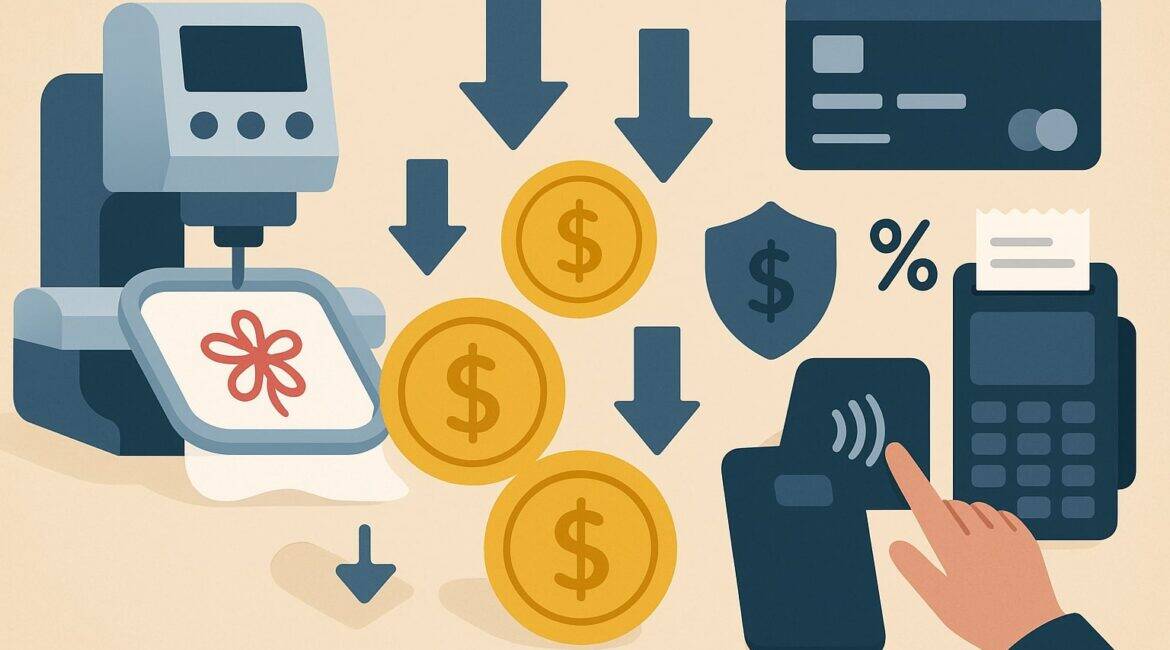
Running an embroidery business means constantly juggling material costs, labor, design time, and customer expectations. On top of all this, payment processing fees quietly eat away at your profit margin every time a customer taps, dips, swipes, or pays an invoice online. For many small and micro businesses, these fees...
How EMV Readers Help Reduce Fraud for Small Shops
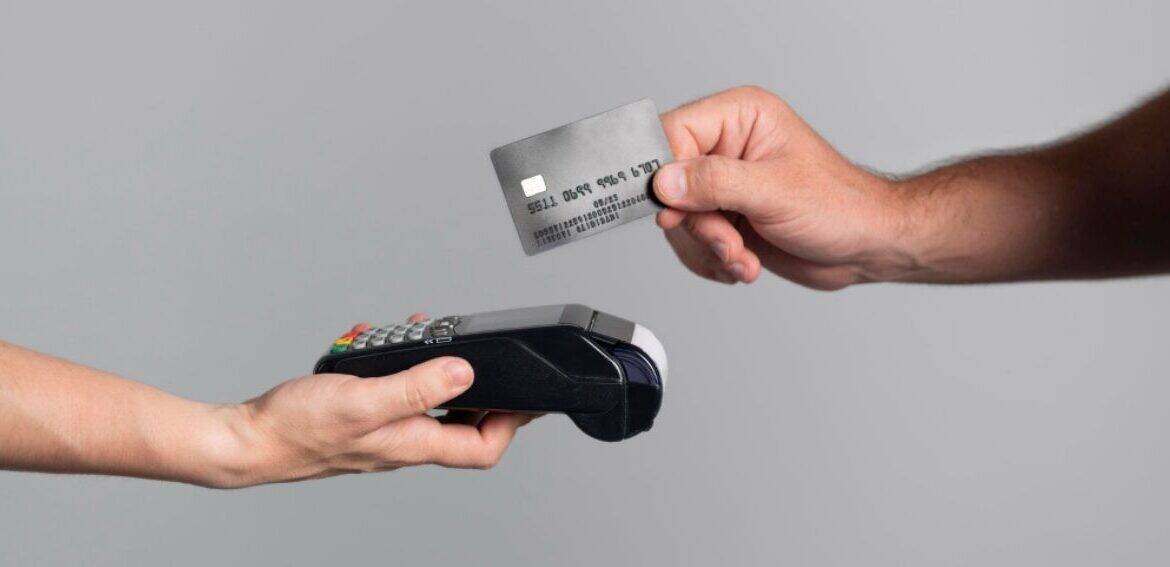
EMV readers assist small stores in combating fraud by introducing additional security to each card transaction. Unlike outdated magnetic stripe technology, EMV chips generate a new code for each transaction. Thus, it is significantly more difficult for fraudsters to duplicate card details or make duplicate cards. How EMV Cards Work...
How to Avoid Hidden Fees in Payment Processing

Hidden fees in payment processing can be a major headache for businesses of all sizes. These fees can eat into your profits and make it difficult to accurately budget for your expenses. Understanding how to avoid hidden fees in payment processing is crucial for maintaining a healthy bottom line and...